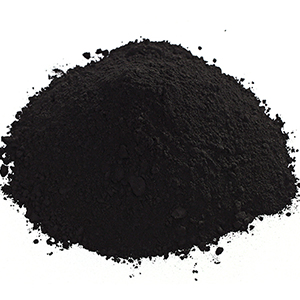
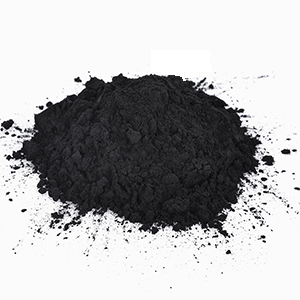
Activated carbon is a crucial material in various industries, including air and water purification, chemical processes, and food production. It has the unique ability to adsorb impurities and contaminants, making it an essential component in ensuring clean and safe environments. Among the different types of activated carbon, coconut shell activated carbon stands out for its exceptional properties. In this article, we will explore the key differences between coconut shell activated carbon and other types, such as coal-based and wood-based activated carbon, and discuss their specific applications.
1. Source of Raw Material
The primary difference between coconut shell activated carbon and other types lies in the raw materials used. Coconut shell activated carbon is made from the shells of coconuts, a renewable resource. These shells are often discarded as waste, making coconut shell activated carbon an eco-friendly choice. In contrast, coal-based activated carbon is produced from bituminous coal, which is non-renewable and requires mining. Wood-based activated carbon, as the name suggests, is made from various types of wood, which are also renewable but may involve deforestation if not sourced sustainably.
Coconut Shell Activated Carbon: Sourced from the shells of coconuts, renewable, and sustainable.
Coal-Based Activated Carbon: Sourced from bituminous coal, non-renewable, and involves environmentally harmful mining practices.
Wood-Based Activated Carbon: Sourced from wood, more sustainable than coal but still involves the cutting of trees.
For companies that value sustainability, coconut shell activated carbon is an ideal choice due to its renewable source.
2. Pore Structure and Adsorption Efficiency
The pore structure of activated carbon is a critical factor in its adsorption efficiency. Coconut shell activated carbon has a fine and highly developed microporosity, which allows it to adsorb small molecules such as volatile organic compounds (VOCs), odors, and pollutants in air and water. This makes it ideal for high-precision applications like air filtration and water purification.
Coconut Shell Activated Carbon: Features high microporosity, ideal for adsorbing small molecules.
Coal-Based Activated Carbon: Typically has larger pores and is more effective in adsorbing larger molecules, making it suitable for industrial processes.
Wood-Based Activated Carbon: Has a balanced pore structure, which is effective for general filtration but less efficient for fine filtration.
The high adsorption capacity of coconut shell activated carbon makes it the preferred choice for applications requiring superior purification, such as air and water treatment systems.
3. Cost Considerations
While coconut shell activated carbon offers superior performance, it tends to be more expensive than coal-based activated carbon. The cost of raw materials and the manufacturing process contributes to this higher price. However, the added value in terms of performance and environmental benefits makes coconut shell activated carbon worth the investment for many applications.
Coconut Shell Activated Carbon: More expensive, but offers superior performance and sustainability.
Coal-Based Activated Carbon: More affordable, commonly used in large-scale industrial applications.
Wood-Based Activated Carbon: Generally more affordable than coconut shell carbon but may not perform as well in high-precision applications.
For large-scale industrial applications, coal-based activated carbon may be a more cost-effective solution. However, for high-performance applications, coconut shell activated carbon justifies its premium price.
4. Applications of Activated Carbon
Different types of activated carbon are suited for different applications. Coconut shell activated carbon is widely used in applications where high-performance filtration is required, such as:
Water Purification: Used to remove organic compounds, chemicals, and heavy metals from water.
Air Filtration: Effective in removing odors, VOCs, and pollutants from indoor air.
Food and Beverage: Used for decolorizing liquids, such as in the production of sugar, juices, and alcoholic beverages.
Coal-Based Activated Carbon: Commonly used in large-scale industrial applications such as gas purification, sewage treatment, and chemical processes.
Wood-Based Activated Carbon: Used for broader applications like gold recovery, decolorization, and general filtration.
For businesses in air purification and water treatment, coconut shell activated carbon is the go-to choice due to its exceptional microporosity and high adsorption capacity.
Conclusion
In summary, while coal-based activated carbon is cost-effective for industrial applications, coconut shell activated carbon offers superior adsorption capacity and environmental benefits. It is the ideal choice for high-precision applications such as air and water purification, where performance and sustainability are crucial. Wood-based activated carbon provides a middle ground, offering moderate performance at a lower price point.