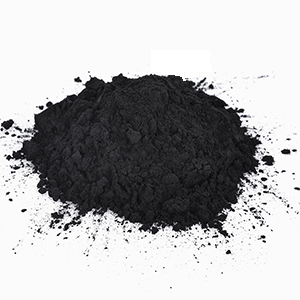
Key Applications of Alumina-Supported Catalysts in Petrochemical and Refining Industries
Publish Time: 2025-11-27 15:26:00
Inquire
Alumina-supported catalysts are a cornerstone of modern chemical and petrochemical processes. By combining active catalytic materials with high-surface-area alumina, these catalysts deliver superior performance, enhanced stability, and long-term durability. Their unique properties make them indispensable in petrochemical and refining operations where efficiency, selectivity, and reliability are critical.
This article explores the key applications of alumina-supported catalysts, their benefits, and why they are widely used in industrial processes.
1. Enhancing Petrochemical Production
Alumina-supported catalysts are extensively used in petrochemical processes, such as:
-
Hydrocracking: Breaking down heavy hydrocarbons into lighter, high-value products. Alumina provides thermal stability and surface area to disperse active metals efficiently.
-
Hydrogenation and Dehydrogenation: Ensures high selectivity and conversion rates for producing olefins, aromatics, and other essential chemicals.
-
Isomerization: Supports structural changes of hydrocarbon molecules to produce high-octane fuels.
In these applications, alumina acts as both a structural support and an active component, optimizing reaction conditions and improving overall process efficiency.
2. Key Role in Refining Industry
In refining, alumina-supported catalysts contribute to critical processes:
-
Catalytic Reforming: Improves gasoline quality and produces aromatics for petrochemical feedstocks.
-
Desulfurization: Removes sulfur compounds from fuels, meeting environmental regulations and protecting downstream equipment.
-
Hydrotreating: Enhances fuel stability, removes impurities, and improves combustion efficiency.
Alumina’s high surface area, thermal stability, and strong metal-support interaction make it ideal for harsh refining conditions, ensuring long catalyst life and consistent performance.
3. Advantages of Alumina-Supported Catalysts
Using alumina-supported catalysts provides several industrial benefits:
-
High Activity and Selectivity: Optimizes chemical reactions for desired products.
-
Thermal and Mechanical Stability: Resists deactivation under high-temperature and high-pressure conditions.
-
Cost-Effectiveness: Extends catalyst life and reduces process downtime.
-
Versatility: Suitable for a wide range of petrochemical and refining reactions.
These advantages make alumina-supported catalysts a preferred choice in industries that demand reliability and efficiency.
4. Future Trends and Innovations
The demand for high-performance catalysts is growing, driven by stricter environmental standards and the need for efficient fuel and chemical production. Key trends include:
-
Nanostructured Alumina Supports: Enhancing surface area and active metal dispersion.
-
Modified Surface Properties: Tailoring acidity and porosity to improve selectivity.
-
Sustainable Catalyst Production: Using renewable resources and eco-friendly processes to produce alumina supports.
Such innovations ensure that alumina-supported catalysts remain at the forefront of petrochemical and refining technologies.
Conclusion
Alumina-supported catalysts play a crucial role in petrochemical and refining industries. From hydrocracking and hydrogenation to desulfurization and catalytic reforming, they enhance efficiency, selectivity, and durability. As the industry advances, ongoing innovations in alumina support technology will continue to optimize chemical processes, improve fuel quality, and support sustainable industrial operations.