Comparing Coal-Based and Coconut-Based Activated Carbon: Which Works Better for Different Applications?
Publish Time: 2025-11-19 14:09:46
Inquire
Activated carbon is a critical material widely used in water treatment, air purification, chemical processing, and industrial filtration. Among the many types available on the market, coal-based activated carbon and coconut-based activated carbon are the two most commonly used due to their excellent adsorption properties and stable performance. However, each type has unique characteristics, making them suitable for different applications.
This article compares their raw materials, pore structure, adsorption behavior, and typical uses to help users choose the most suitable activated carbon for specific needs.
1. Raw Material Differences
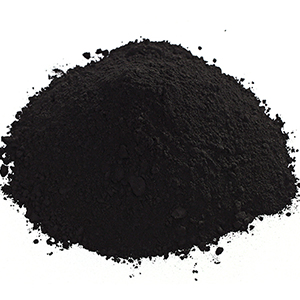
Coal-Based Activated Carbon
-
Produced from high-quality bituminous or anthracite coal
-
Features a diverse pore size distribution, including micro-, meso-, and macropores
-
Typically more cost-effective due to abundant raw materials
Coconut-Based Activated Carbon
-
Made from renewable coconut shells
-
Eco-friendly and sustainable
-
Higher mechanical strength and higher micro-pore density
2. Pore Structure and Adsorption Characteristics
Coal-Based Activated Carbon
-
Balanced pore structure with strong adsorption of large organic molecules
-
Suitable for removing oils, colors, and industrial pollutants
-
Good performance in vapor phase and liquid phase adsorption
Coconut-Based Activated Carbon
-
Extremely high micro-pore volume
-
Excellent at capturing small molecules such as VOCs and chlorine
-
Highly efficient for drinking water purification and gas-phase deodorization
3. Performance Comparison by Application
Water Treatment
-
Coconut-based carbon performs better in drinking water treatment due to its high micro-pore content, efficiently removing chlorine, odors, and low-molecular contaminants.
-
Coal-based carbon is often preferred in wastewater treatment and industrial water filtration due to its larger pores and affordability.
Air Purification
-
Coconut-based carbon leads in gas filtration (e.g., VOCs, solvents, odors).
-
It offers superior adsorption of small gas molecules and excellent regeneration capability.
Industrial Applications
Catalysis and Impregnation
-
Coal-based activated carbon is easier to process for catalytic applications and impregnation treatments.
-
Frequently used in desulfurization, mercury removal, and industrial gas adsorption systems.
4. Which One Is Better?
There is no single “best” type—only the most suitable choice for each application.
| Application Scenario |
Recommended Type |
Reason |
| Drinking water purification |
Coconut-based |
Excellent micro-pore structure |
| VOC & gas adsorption |
Coconut-based |
High efficiency in gas-phase filtration |
| Industrial wastewater |
Coal-based |
Cost-effective & strong adsorption of large molecules |
| Chemical processing |
Coal-based |
Suitable pore size for catalytic support |
Conclusion
Both coal-based and coconut-based activated carbon have distinct strengths. Coconut-based carbon excels in gas-phase purification and drinking water treatment, while coal-based carbon remains the preferred choice for industrial filtration, wastewater treatment, and large-scale adsorption applications.
Understanding these differences helps users select the most efficient and cost-effective carbon type for their specific needs.